If you’re teaching a child to read, letter sounds — not letter names — are the real starting line. And the order you teach them in matters more than most people think. Here’s a simple approach that gets kids reading real words fast.
1. Don’t start with A, B, C
Alphabetical order makes sense for singing, not for reading. Instead, start with a small set of high-use letters like s, a, t, p, i, n. With just those six sounds, a child can already read and build words like sat, pin, tap, and nap — which is far more motivating than knowing ten letters that don’t make a single word together.
2. Teach the sound, not the name
When you show the letter m, say “mmm,” not “em.” Letter names don’t help a beginner sound out words — in fact, they often get in the way. Names can come later, once sounds are solid.
3. Keep the sounds short and clean
Say “t,” not “tuh.” That little added “uh” (teachers call it a schwa) makes blending much harder — “tuh-a-puh” doesn’t sound like tap. Clipping the sound short is the single easiest upgrade to how you teach.
4. Practice a few minutes a day, not one big session
Five minutes daily beats thirty minutes on Saturday. Flash a few letters, say the sounds together, and stop while it’s still fun. Little-and-often is how sounds move into long-term memory.
5. Make it multisensory
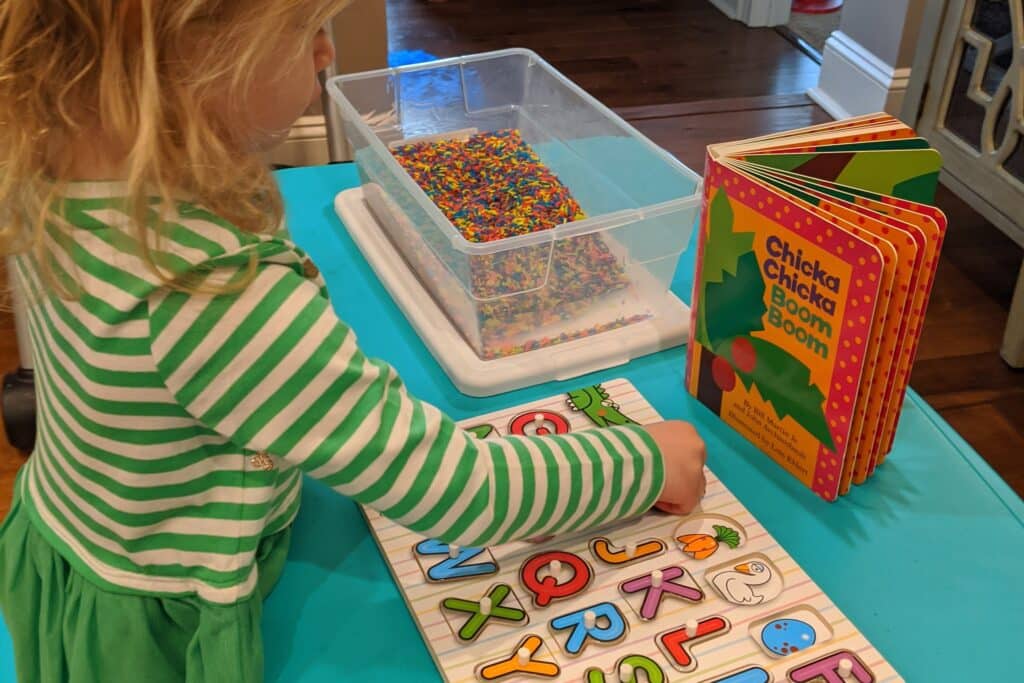
Have your child trace the letter while saying its sound, write it in sand or shaving cream, or hunt for objects that start with it. The more senses involved, the stronger the memory.
6. Start blending early
You don’t need all 26 sounds before reading begins. As soon as a child knows a handful, start blending simple CVC words (consonant-vowel-consonant words like cat and sun). Stretch the sounds — “sssuuunnn” — then say the word. This is the moment reading “clicks.”
7. Watch for the tricky pairs
Some letters are famously confusable: b and d, short e and short i, m and n. Don’t teach look-alike or sound-alike pairs back to back — space them out so each one gets solid on its own first.
8. Review is not a step backward
Kids forget — that’s normal. Keep old sounds in the rotation as you add new ones. A quick daily review of “sounds we know” builds the automatic recall that fluent reading depends on.
9. Practice with printables
Worksheets turn sounds into pencil-and-paper practice: matching letters to pictures, circling the beginning sound, tracing while saying the sound. You can generate free letter sounds worksheets and phonics worksheets for exactly the letters your child is working on — no two sheets need to be the same.
Letter sounds are a short season with a huge payoff. A few focused minutes a day, in a smart order, and you’ll be listening to your child read their first words sooner than you expect.