Math facts are the sight words of arithmetic: once they’re automatic, everything built on top of them — multi-digit work, fractions, word problems — gets dramatically easier. But drilling flash cards until someone cries isn’t the way. Here’s what works instead.
1. Start concrete, not abstract
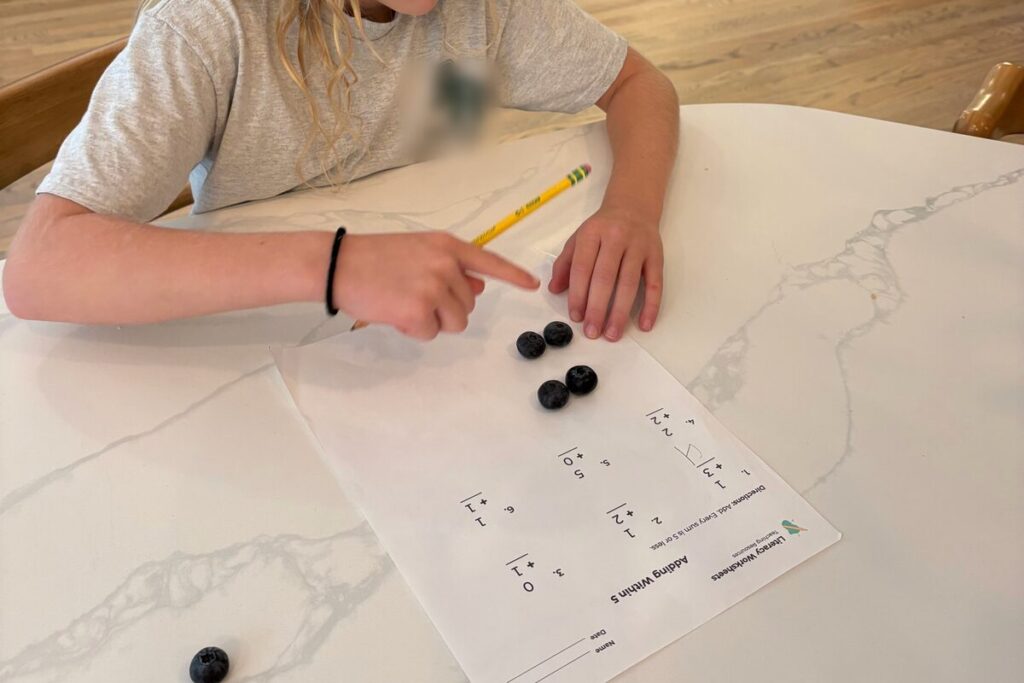
Before memorizing “7 + 5 = 12,” a child should see it — with fingers, counters, cereal, anything. Facts stick when they’re attached to meaning. If a fact keeps slipping, go back to objects for a day; it’s not a step backward, it’s laying the foundation.
2. Teach strategies, not just answers
Kids don’t memorize 100 separate addition facts — they learn a few powerful strategies that unlock whole groups at once: doubles (6 + 6), doubles-plus-one (6 + 7), making ten (8 + 2), and adding one or zero. Name the strategy out loud when you practice. “Oh, that’s a double!” turns a mystery into a pattern.
3. Work in small fact families
Practice a handful of related facts at a time — all the “make ten” pairs, or the 2s times table — rather than mixed everything. Mastery of a small set feels like winning, and winning keeps kids coming back.
4. Keep sessions short and daily
Five to ten minutes a day is the sweet spot. Automaticity comes from frequent retrieval, not long sessions. A few problems at breakfast beats a worksheet marathon on Sunday.
5. Make it a game whenever possible
Roll two dice and add them. Play “war” with cards where the bigger product wins. Race a timer — but race your own yesterday score, not a sibling. Games generate dozens of retrievals without feeling like practice.
6. Be careful with timed tests
A little time pressure can motivate; too much creates math anxiety that lasts years. If your child freezes on timed drills, drop the timer and count problems instead: “How many can you do correctly?” Speed follows accuracy — never the other way around.
7. Mix old facts into new practice
Once the 2s are mastered, don’t retire them — sprinkle them into practice while working on the 5s. Mixed review is what turns “I knew it last week” into “I know it, period.”
8. Practice with fresh worksheets
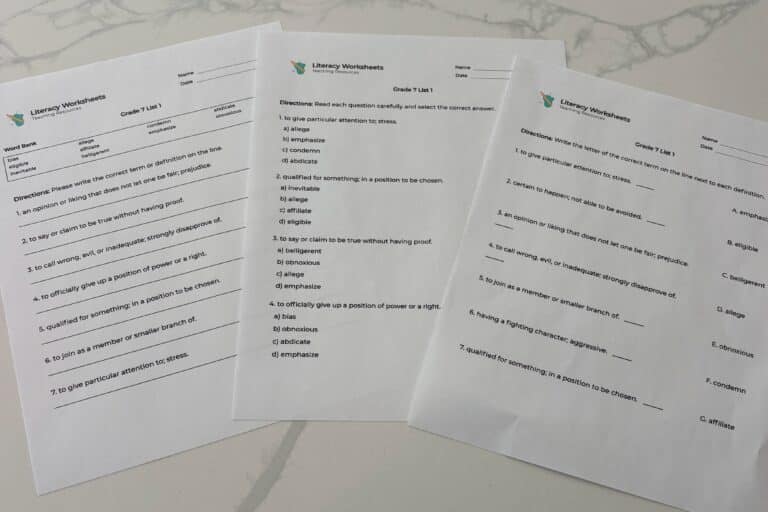
Our free generators make a new sheet every time, with an answer key — pick exactly the operation and difficulty your child needs: addition, subtraction, multiplication, and division, or grade-level collections from kindergarten through 5th grade.
Ten calm minutes a day, strategies before speed, and games over drills — that’s the whole formula. The tears are optional, and honestly, so is the flash card box.